AASM celebrates 50th – and is ready to catch the next wave in sleep

By Theresa Flaherty
Updated 9:18 AM CDT, Thu July 3, 2025
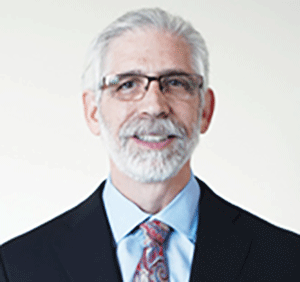 DARIEN, Ill. – As researchers and clinicians began to better understand sleep, they saw the need to create clinical standards, accreditation and a forum for the exchange of information. That lead to the creation of the American Academy of Sleep Medicine, which turns 50 this year.
“We’re excited to acknowledge this anniversary so that we can understand where we came from, so that we can build a better organization that address the needs of its member and help promote the field,” said Dr. Lawrence Epstein, past president of the organization and chair of its 50th Anniversary Task Force.
An age-old problem
Getting a good night’s sleep has been a challenge since the dawn of mankind, but with, first, the industrial age and, now, our 24/7 society, how much people sleep has been significantly reduced, says Epstein.
“There are jobs that require us to be available around the clock, as well as a lot of technologies that interfere with sleep – all these things have a big impact,” he said. “Our surveys definitely show that the amount of sleep people are getting is significantly less than it was 50 years ago.”
The evolution of technology
One of the biggest advancements in sleep technology has been home sleep testing, which expanded access for patients, says Epstein.
“The use of a home sleep test can make it easier for patients and less costly,” he said. “Once you identify that there's a sleep problem, there’s technology to treat them, from CPAP devices to oral appliances to surgically implanted devices. I also think of medications as technology so the development of a whole array of pharmaceuticals to improve sleep – from helping you get to sleep to helping you stay awake to treating specific sleep disorders – have all been dramatic improvements in how we can get people to sleep better.”
Riding the wave of the future
While PAP therapy remains the standard of care, there’s a wave of new technology and treatment coming down the pipe, says Epstein.
“In terms of diagnostics, we're going to see more wearables in the home,” he said. “On the therapeutic side there's going to be more and hopefully easier-to-use treatments for the variety of sleep disorders. You’re seeing the evolution of surgical procedures that are getting better, more varied and more comfortable. We're going to see a whole new array of treatment options for people, so we're going to be able to diagnose easier and in greater detail, and we're going to have more options for treating those things based on those therapeutics.”

Comments