Lifeway Mobility scales – with focus on demand and talent

By Liz Beaulieu, Editor
Updated 9:59 AM CDT, Wed June 3, 2026
HARTFORD, Conn. – Lifeway Mobility was off to the races in the first quarter, expanding into two new states – Nebraska and Michigan – and launching additional locations in Missouri. The company, which currently operates in 35 states, plans to enter at least seven additional markets this year.
As it expands, the company will continue to deploy “a disciplined buy-versus-build strategy,” says Paul Bergantino, president.
“We have identified our next 20 markets for expansion over the next 24 months,” he said. “When acquisition opportunities allow us to add strong teams and local expertise, we will pursue them. Otherwise, we will build new operations around recruited talent to ensure long-term success in each market.”
Large populations with strong demand
Lifeway Mobility’s goal isn’t necessarily to have a location in every state, Bergantino says. Rather, the company focuses on reaching the largest populations where demand is strongest, he says.
In both Nebraska and Michigan, the company identified a clear demand, chose a build strategy, recruited key talent and executed its established playbook for launching in new markets, he says.
“We evaluate expansion opportunities using a consistent set of criteria, including demographics, housing stock, competitive landscape, available talent and other (factors),” he said. “A critical first step is identifying strong local leadership – what we call ‘anchor talent.’”
That talent includes Mike French, who will serve as general manager in Omaha, Neb.; and Kevin Prior, who will serve as a senior sales consultant in Detroit.
St. Louis checked all the boxes
St. Louis was appealing for an additional location in Missouri for several reasons, Bergantino says, including its growing senior population and large inventory of older, multi-story homes.
“Many (of these homes have) narrow staircases and layouts that can become challenging as mobility declines,” he said. “A high rate of homeownership – often with homes owned outright – also makes residents more willing to invest in modifications like bathroom safety and stairlifts.”
Also in the city’s favor: a relatively low cost of living, Bergantino says.
“We believe many residents remain cost-conscious,” he said. “Home modifications are often seen as a more affordable alternative to assisted living.”
‘Acting local as we grow’
Bergantino isn’t the only one who believes Lifeway Mobility’s model is working. The company was recently recognized as part of USA Today’s Most Trusted Brands of 2026, which highlights companies that consumers feel most confident doing business with.
Over the years, he says, the company has created Lifeway Academy and invested in processes and customer feedback systems to improve consistency and preserve a local approach.
“Seeing Lifeway backed by more than 10,000 positive reviews reinforces our reputation as a trusted provider,” he said. “At our core, we’ve long embraced a philosophy of ‘acting small and local as we grow.’ That means empowering our local teams to make decisions in the best interest of their customers and communities.”
Post-Q1, Lifeway Mobility has entered another new state – Idaho – and added a second location in Virginia.
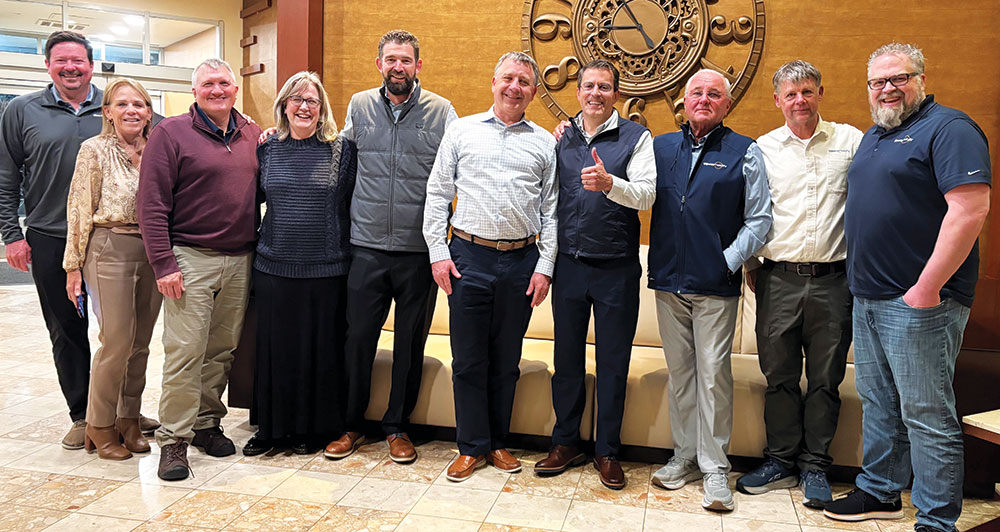
Photo courtesy of Lifeway Mobility.
Comments